osteopathy.
What is Osteopathy?
Osteopathy is a hands-on, whole-body approach to healthcare that focuses on how the body moves, functions, and heals.
It is based on the principle that the body works as a connected unit. When movement is restricted or tissues are under strain, this can affect circulation, nerve function, and overall health. By improving mobility and reducing tension, osteopathy aims to support the body’s natural ability to self-regulate and heal.
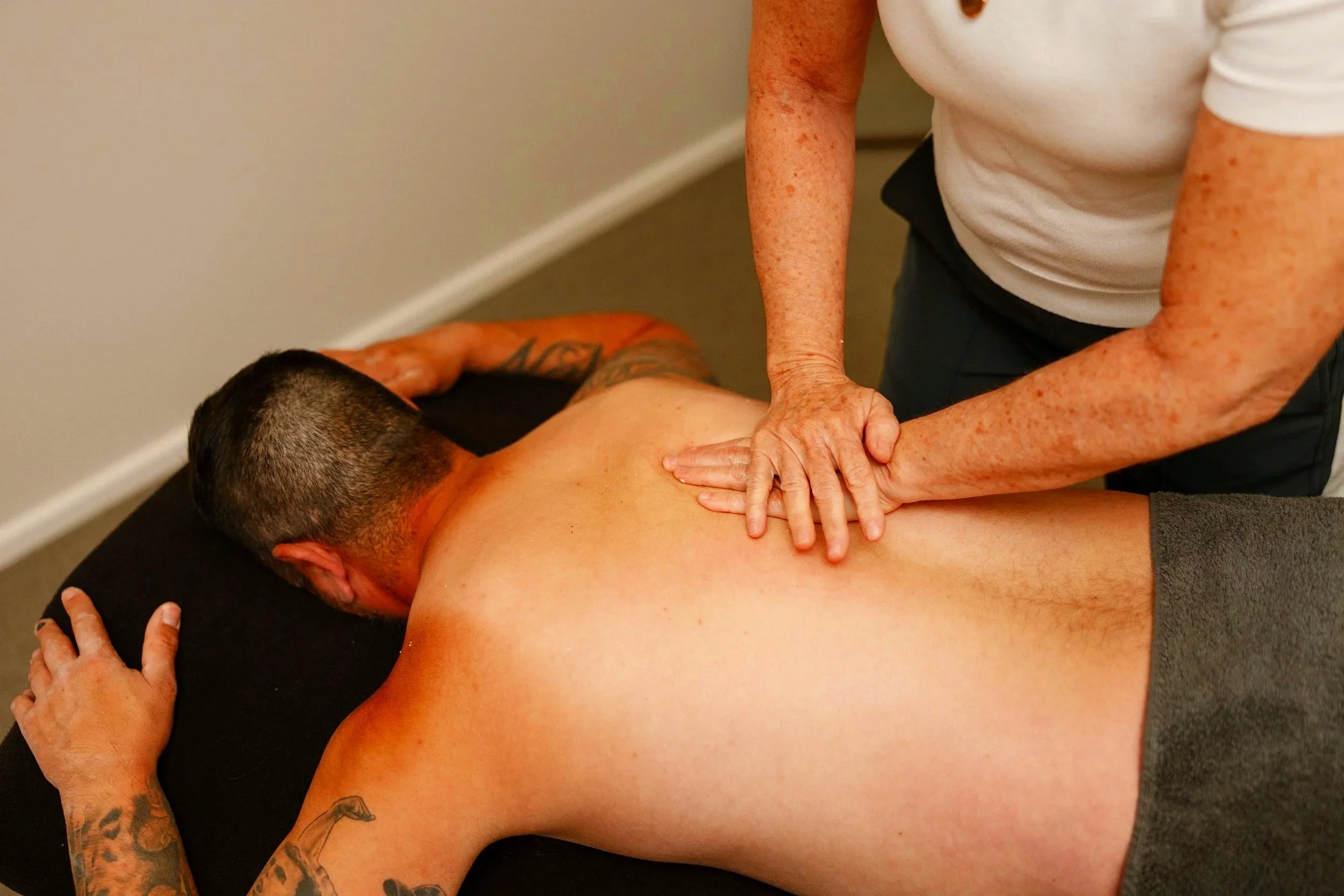
Treatment may include a combination of manual techniques such as soft tissue therapy, joint mobilisation, stretching, and exercise-based rehabilitation. Care is always tailored to the individual, taking into account their lifestyle, activity levels, and goals.
How Osteopathy Can Help
Osteopathy may assist with a wide range of acute and long-standing conditions, including:
Sports and activity-related injuries
Women’s health and pelvic health concerns
Headaches and migraines
Growing pains in children and adolescents
Work-related injuries
As well as common musculoskeletal conditions such as:
Lower back pain
Neck pain
Arthritis
Bursitis
Joint pain (including but not excluded to; shoulder, hip, elbows and knees)
Osteopathy may also support the management of musculoskeletal pain associated with autoimmune conditions.
What to Expect
Your consultation is designed to be thorough, relaxed, and tailored to you.
Initial Consultation
We begin with a detailed discussion about your symptoms, health history, lifestyle, and goals. This helps us understand not just where your pain is, but why it may be happening.
Assessment
A physical assessment will look at how your body moves, including posture, joint mobility, muscle function, and any areas of tension or restriction.
Treatment
Treatment is hands-on and may include a combination of techniques such as:
Soft tissue massage
Stretching
Joint mobilisation
HVLA or joint manipulation (if required and with the individuals consent)
Movement and exercise guidance
Treatment is always adapted to your comfort level.
Ongoing Care
You’ll receive clear advice on exercises, movement, and lifestyle factors to support your recovery. If needed, we’ll create a plan to help you return to your usual activities and prevent recurrence.